
Condenser vs. Dynamic Microphones for Voice Acting: Which Should Beginners Choose?
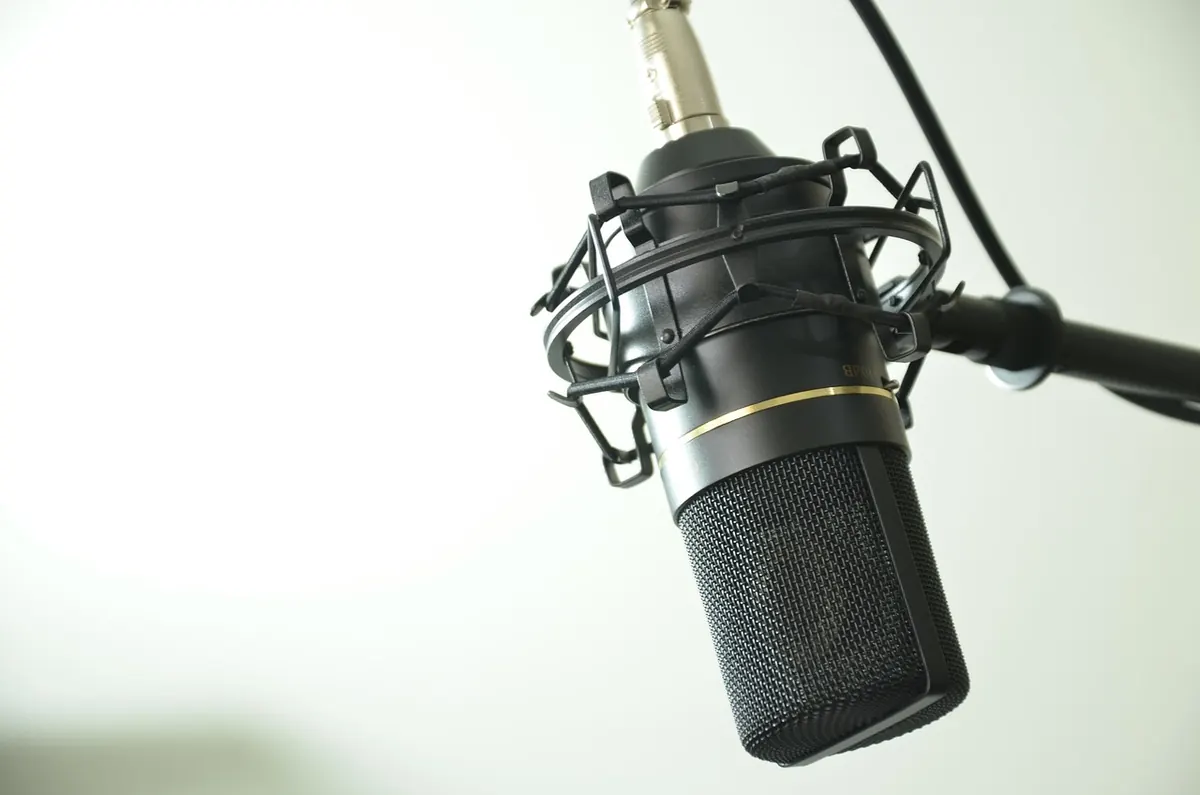
Two microphones sit on a desk in front of a new voice actor. One is a large-diaphragm condenser, the other a moving-coil dynamic, and both cost roughly the same. The forums say the condenser is "the voiceover mic." The podcasters say the dynamic is the only one that survives a home studio. Neither statement is wrong, and neither is useful on its own.
The microphone you should buy first depends less on which type is "better" and more on the room you record in, the work you intend to book, and how much of your budget is left after the microphone itself. That's the whole argument, really. What follows is how to think it through.
How the Two Types Actually Capture Your Voice
A condenser microphone uses a thin, electrically charged diaphragm that moves in response to tiny changes in air pressure. Because that diaphragm is light, it responds quickly and in fine detail, which is why condensers tend to sound open and articulate. Most condensers need phantom power, usually 48 volts, supplied by an audio interface or preamp.
A dynamic microphone uses a diaphragm attached to a coil sitting in a magnetic field. It is heavier, slower, and needs more sound energy to move. Dynamics generally don't need phantom power and are built to survive being dropped, borrowed and accidentally shouted into.
The practical consequence: a condenser usually produces a strong signal with modest gain, while a dynamic produces a weaker one. That second detail matters more than beginners expect. If your interface has noisy gain, a low-output dynamic will force you to crank it, and the hiss comes up with your voice.
Pickup Patterns: What the Mic Hears Behind You
Both types come in several polar patterns, and the pattern often shapes your results more than the capsule design does.
- Cardioid picks up mostly what's in front and rejects the rear. Most voice mics are cardioid, and it is the sensible default for a home studio.
- Omnidirectional hears equally in all directions. Useful for capturing a room, less useful when the room is a bedroom with a humming refrigerator.
- Figure-of-eight hears front and back and rejects the sides. Common on multi-pattern condensers; rarely the best choice for a single speaking voice.
Cardioid microphones also exhibit proximity effect: close in, the low end thickens. That's a tool, not a flaw. Broadcasters lean on it deliberately. But if you record three inches from the grille, you'll spend the edit boosting presence to compensate for a chesty, boomy tone. Two hands-widths back, angled slightly off-axis, is a good starting distance for most voices.
Room Sensitivity: The Part Beginners Underestimate
Every microphone records the room as well as the voice. Sensitive condensers simply record more of it: the flutter echo off bare walls, the fan, the neighbour's door.
This is where the honest advice begins. A condenser in a well-treated space sounds superb and rewards good technique. A condenser in an empty room with hard floors will hand you a recording that sounds like a bathroom, and no amount of EQ will fully fix it. A dynamic, with its lower sensitivity and tighter cardioid pattern, will make that same room sound merely imperfect. It won't sound great, but it will be usable.
If your recording space is a closet full of coats, a corner lined with moving blankets, or a treated booth, a condenser is not a risk. If it's a kitchen table next to a window, choose the microphone that forgives.
Quick check before you buy
Clap once in your intended recording spot and listen. Sharp, ringing slap-back means reflections. A low, constant hum means you have electrical noise to solve regardless of microphone. Fix what you can with soft furnishings and microphone placement first; it costs nothing and changes more than an upgrade will.
Cost: Look at the Whole Chain, Not the Mic
Microphone prices overlap heavily between the two categories, so the sticker price tells you little. Budget for the system.
A condenser setup typically needs an interface with phantom power, a shock mount, a pop filter, and some form of acoustic treatment. A dynamic setup needs an interface with clean, high gain, and may need an inline preamp to get there; it usually needs a stand and a foam windscreen. Broadcast-style dynamics are often priced above entry-level condensers, so don't assume dynamic means cheaper.
One genuinely useful rule: spend on the room and the interface before you spend on the capsule. A modest microphone in a quiet, soft room outperforms an expensive one in a live kitchen, every time.
Use Cases: Which One Suits Which Work
Lean condenser for audiobooks, e-learning narration, explainer and corporate voiceover, and any long-form work where a warm, detailed, close sound is the brief, provided your space is quiet and controlled. Multi-pattern condensers also give you flexibility if you later record two people or want a different tonal colour.
Lean dynamic for auditions recorded at short notice in imperfect rooms, character work with movement and shouts, live streaming, podcast intros, and any voice that pushes high sound pressure levels. Dynamics take abuse and handle volume without complaint.
Plenty of working voice actors own both and choose per job: condenser for the booked session in the treated booth, dynamic for the quick turnaround audition in a hotel room.
A Practical Buying Path
- Record a two-minute sample on your phone in the space where you'll work, and listen honestly to the background.
- Set a total budget for microphone, interface, stand, cables and treatment. Write it down before you browse.
- Buy from a retailer with a returns window, and test the microphone in your own room within it.
- Record the same paragraph at three distances and two angles. Keep the file that sounds most like you.
- Check the noise floor with the room silent. If you hear hiss, address gain staging before blaming the mic.
Before You Commit
Audition the room, not the spec sheet. If you can, borrow or rent a microphone for a weekend and record real copy with it: a commercial read, a character piece, a narration paragraph. Listen on speakers and on earbuds. Ask whether the recording sounds like a person speaking in a room, or like a person speaking through a wall.
For a first purchase in an untreated space, a cardioid dynamic is the lower-risk choice and teaches mic technique quickly. For a first purchase in a quiet, soft-furnished room with a decent interface, a cardioid condenser gives you more detail to work with. Either way, keep the receipt, treat the walls before you upgrade the capsule, and spend your first month learning distance and angle. Those habits will outlast the microphone.
Photo: Pexels / Pixabay